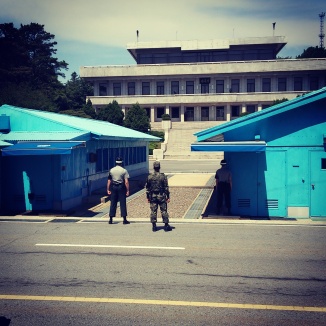
Last weekend was a holiday both here in Korea and in America. It was kind of cool getting a three-day weekend and Memorial Day off, even though I’m thousands of miles from home. I wouldn’t say we flaunted our American pride as we would back home, but Allison and I did stand toe to toe with North Korea…and that was surreal. I could write about our crazy adventures around Hongdae for partying or about visiting temples for Buddha’s Birthday (the Korean holiday that coincided with Memorial Day), but the DMZ is really the only thing worth talking about.
I booked this tour over a month in advance to secure our places. All tours that include passage through the Joint Security Area (JSA) are booked weeks in advanced. Though there are many tours to the DMZ, I was certain I needed to go as far as the JSA, which I’ve seen on numerous documentaries and have pictured as this stern, serious, kind of scary environment. I guess it is, given that it is technically a war zone, but frankly with tours going in and out, it felt like a remake in Disney World or something. Like a North Korean part of Epcot. That probably sounds crazy, but we were ushered in and out of the Demilitarized Zone (very officially with many pre-set and day-of rules) by both military and civilian tour guides. Tour guides.
My Co-Teacher didn’t really understand why I was so interested in visiting the DMZ. She said that it’s strange that foreigners want to go there. Unlike the sentiment in America, most South Koreans just want to see peace and reunification of the two Koreas. Many of them have family in the North, or roots, and have hopes for a peninsula no longer divided. In America we perceive North Korea as a threatening dictator-run society that’s ready to take advantage of any weakness their enemies (us) show. Which is probably true, given that at one point I was standing several stories underground in the 3rd Infiltration Tunnel, just 170 meters from North Korea. A tunnel the North dug to surprise attack the South. A tunnel I was standing in with many, many other tourists. TOURISTS. What in the actual fuck are we doing touring a place like that? It’s apparently safe enough, or it wouldn’t be done, but still. It’s more than surreal.
This is probably the hardest blog post I’ve written about my travels because the feeling of being there is so hard to explain. We were mostly American tourists staring out at the North Korean soldiers in the DMZ. Many were there on vacation. All of us were curious, but here we were, taking photos of the buildings and of the parts of North Korea we could see. This isn’t a monument in Washington D.C., it’s a country, dislodged from the world stage in economics and politics, a place where people are routinely starved or worked to death, a place people risk their lives just to escape. Many have died trying to defect from North Korea. People have been forced into slavery after successfully escaping to China and being caught. And here we were, a privileged group of foreigners from all over the world just trying to get a glimpse inside.
Our tour guide was a South Korean woman who was very knowledgeable, albeit scripted. She talked basically the whole time we were on the bus North from Seoul. We crossed over the Unification Bridge into an area for authorized access only. The bridge itself is interesting because the way blockades are set up is so that you cannot drive straight down the bridge, but must go around the barriers which alternate sides of the road. This is miles and miles away from the border and even here they have a line of defense. Yet on we went North.
Our first stop was the 3rd Infiltration Tunnel. We had to wear helmets, which I was initially annoyed by, as we descended the 23 stories into bedrock, but as the tunnel became lower and narrower I hit my helmet on a jagged piece of rock above my head. Thank you, helmet. This place is not for the claustrophobic or the tall. Or the weak because you descend the same way you crawl back out…up an down a steep-enough slope. Some people had to stop and catch their breath on the way up, which is understandable. It’s hard to breathe down there. I even got lightheaded at one point. We should have eaten breakfast…oops.
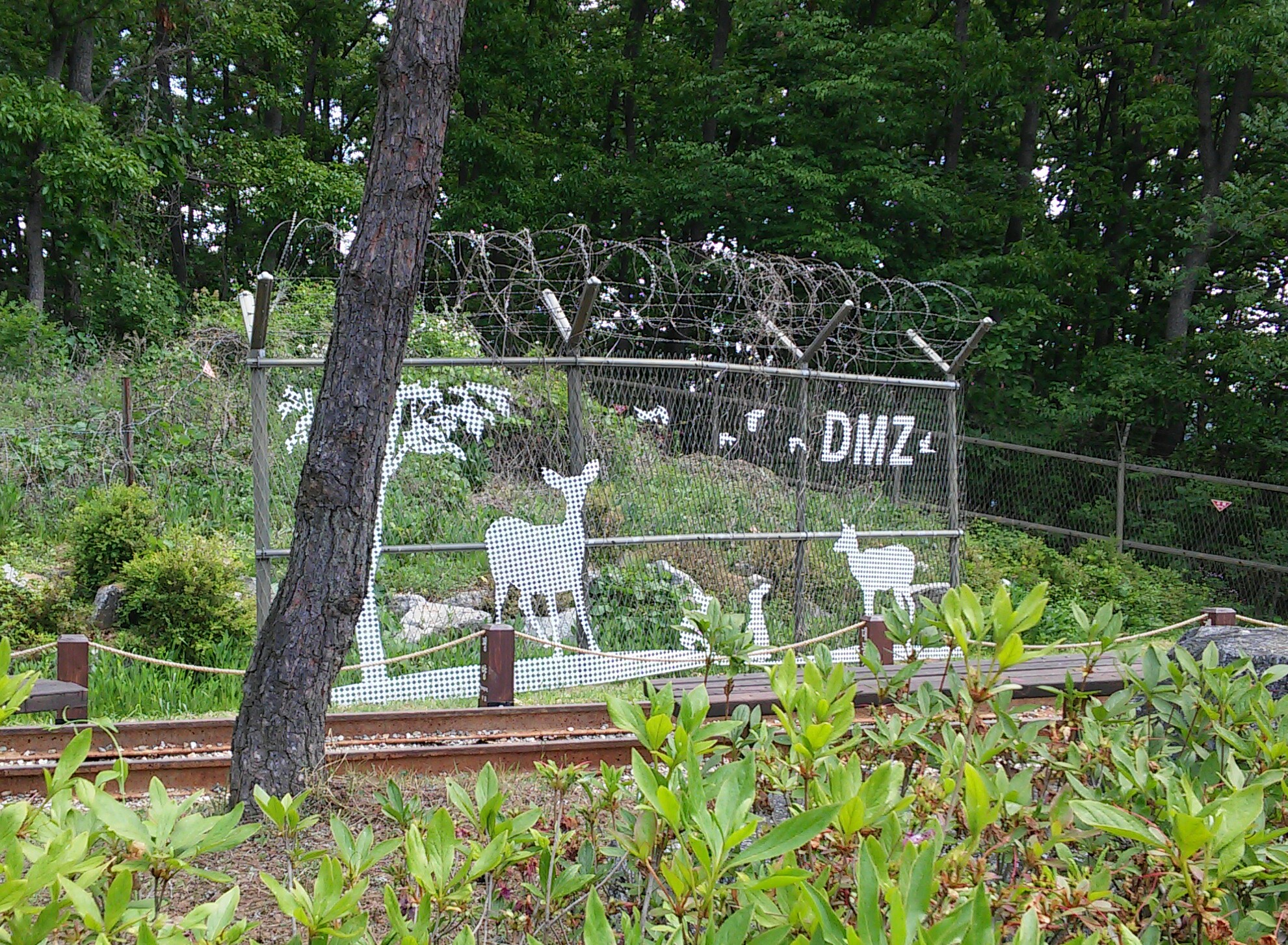
Now, of course, it being Korea, the land of the selfie, there were places outside to take pictures. No cameras were permitted inside the tunnel so the photo-op (clearly labeled as such) was set up outside the tunnel. There was a fake river, some platforms to sit on, a few benches, and a small section of fence set up with barbed wire attached at the top with “DMZ” spray painted on it–you know, so people could smile and pose near it. (I repeat-WHAT THE ACTUAL FUCK IS THIS PLACE??)
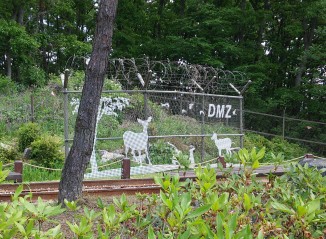
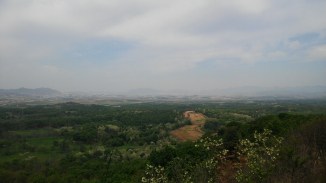
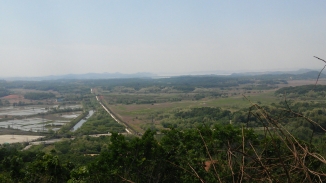
Allison and I ate some Cheetos and drank canned Korean coffee while we mocked this hellish Disney-scape at an actual zone of conflict. I digress. We boarded our bus again to travel just a few minutes to DORA Observatory where we actually put coins into binoculars, like I did when I was little at the top of the World Trade Center in New York, to see out into North Korea.
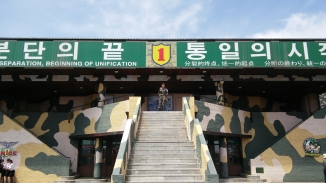
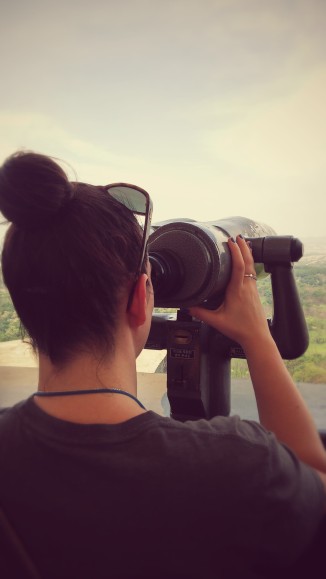
Looking out into North Korea.
They even had a map of things you can see with said binoculars. Most of it was green and just like the South, but it was mysterious because we were actually looking beyond friendly soil into North Korea.
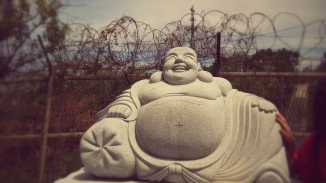
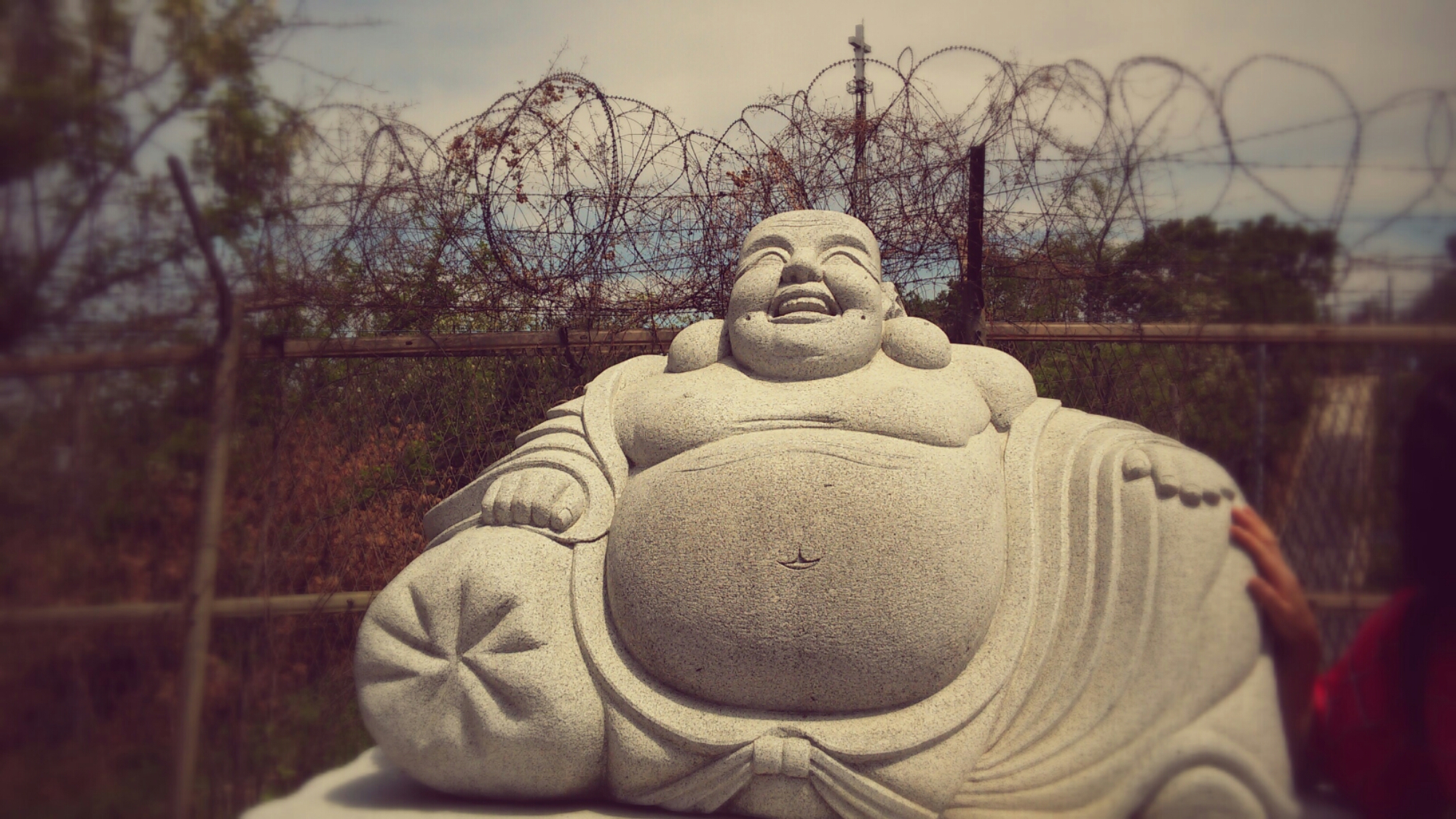
Interestingly enough, there was a statue of a Buddha on the opposite side of the building in front of, what I assumed to be, a peace bell. This Buddha was directly in front of a barbed wire fence. Not something you see every day.
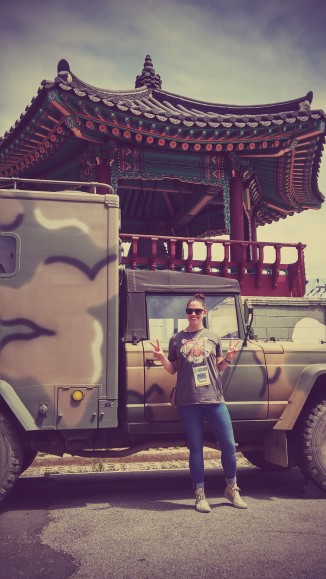
From here we went to Dorasan Station where there are trains to Pyeongyang. 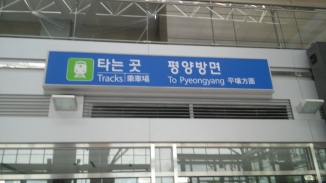
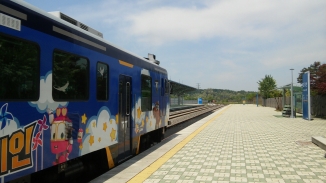
There is also a car toll there for passage to the North.
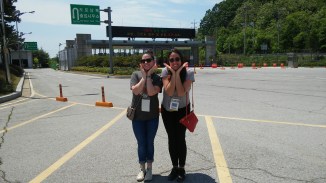
And the whole place felt like a ghost town. The security area was empty, the train doesn’t actually go anywhere, no cars were going through the toll. But here we were, standing next to a train that used to travel to Pyeongyang for tourism, that now sits idle at the station. At Dorasan station we had lunch, as well. Our choices were Bulgogi (meat) or BiBimBap. After lunch we headed for Camp Kim and the absolute highlight of the tour, in my opinion.
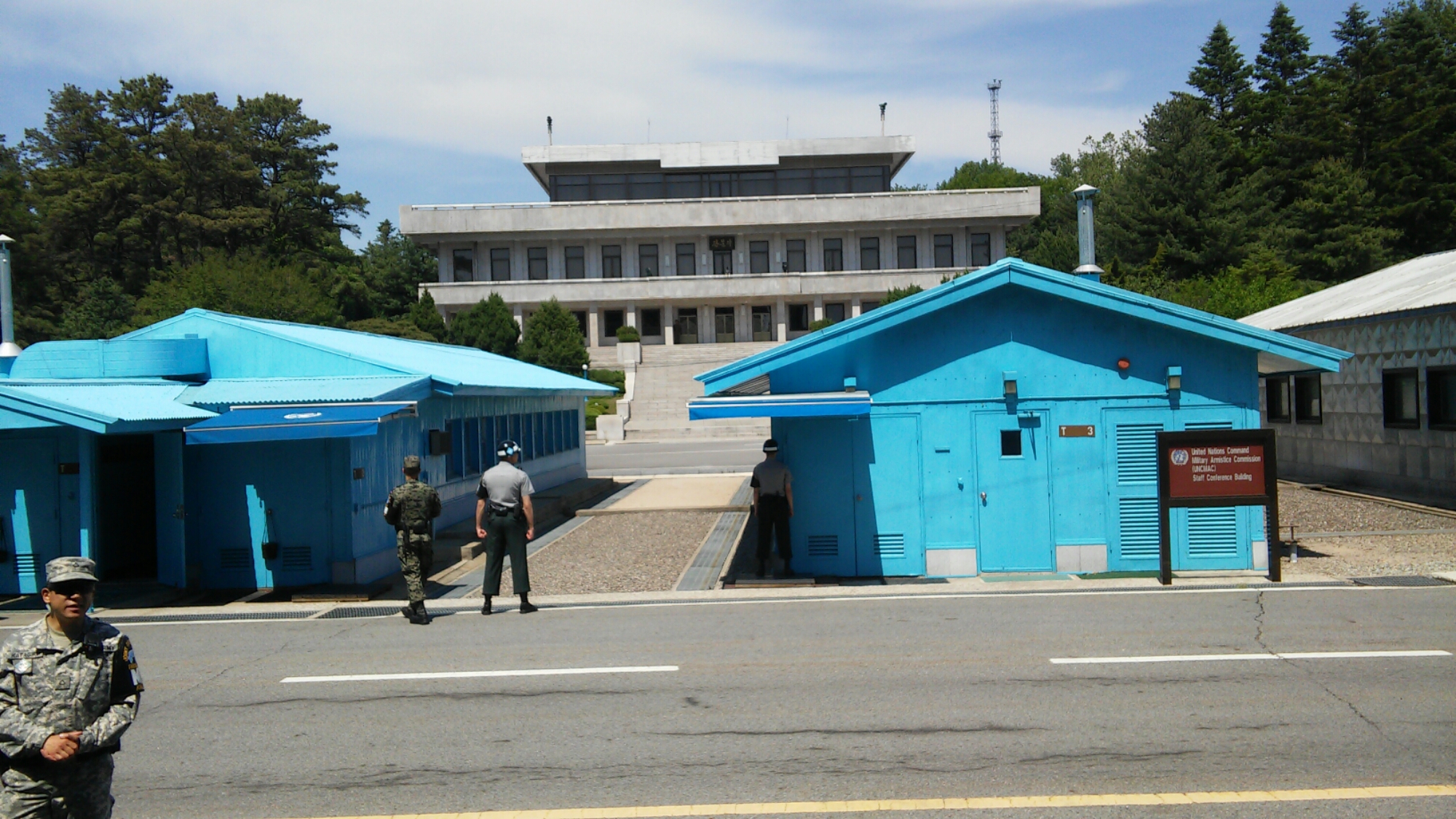
Now I know I have a thing for dudes in uniform, but this place was incredible in reality. We had to take a military bus up to the Joint Security Area and we swapped our Korean tour guide for an American military guide. He checked our passports, gave us a brief powerpoint history lesson of the Korean war, DMZ and JSA, and we headed out. When we filed off the bus at the JSA we were told to get into two straight lines. Side note: Civilians trying to do any kind of formation is actually incredibly hilarious. Once we were all assembled we were led up the stairs, past ROK military (Republic of Korea–that’s South Korea for those of you who are not aware) and American military. and through the doors to stand in formation on a platform overlooking the cornflower blue buildings I’ve seen so many times in pictures and videos. At this point all of us were standing face to face with North Korea.
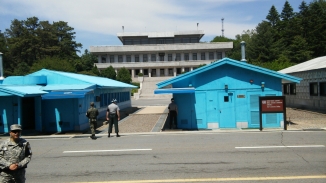
There’s an understood quiet and respect that’s paid at moments like these. When people you probably wouldn’t associate with in the real world are calm and attentive, listening to our military guides’ directions. We came in on two busses, formed four lines, and were split between two parts of the compound before we switched. First, we entered the room where all meetings take place between the North and the South. We were briefed on the goings on, history and rules within this room before we were permitted to take pictures for a couple minutes. And here we were, standing on (technically) North Korean soil.
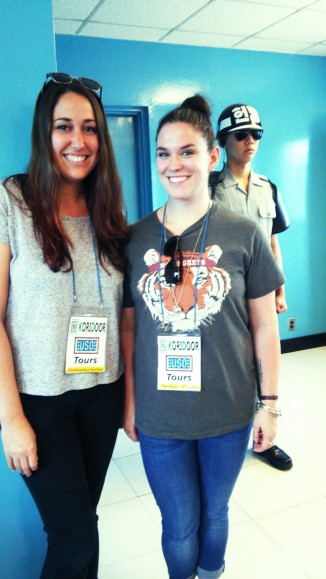
When we switched places with the other group (after our guides had to yell at people who wouldn’t stop taking pictures when asked. Stupid.) we stood back on the steps looking out toward North Korea. At the Democratic People’s Republic of Korea soldiers facing us from their tall staircase.
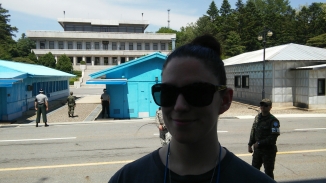
We were given more instructions and some more history. And we were also informed that directly to our right was a North Korean guard post. We weren’t allowed to look over there. But we were allowed to take pictures of the compound, including the North Korean side, which allowed me to send what, in my opinion, was the most epic Snapchat I’ve ever sent. We eventually filed back in, through the building and to the busses for our final stop at one of the guard posts.
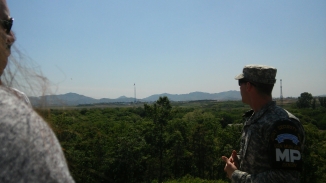
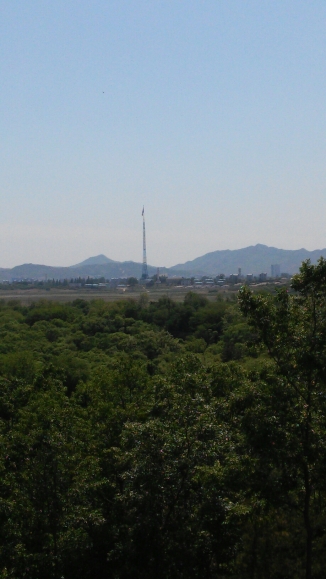
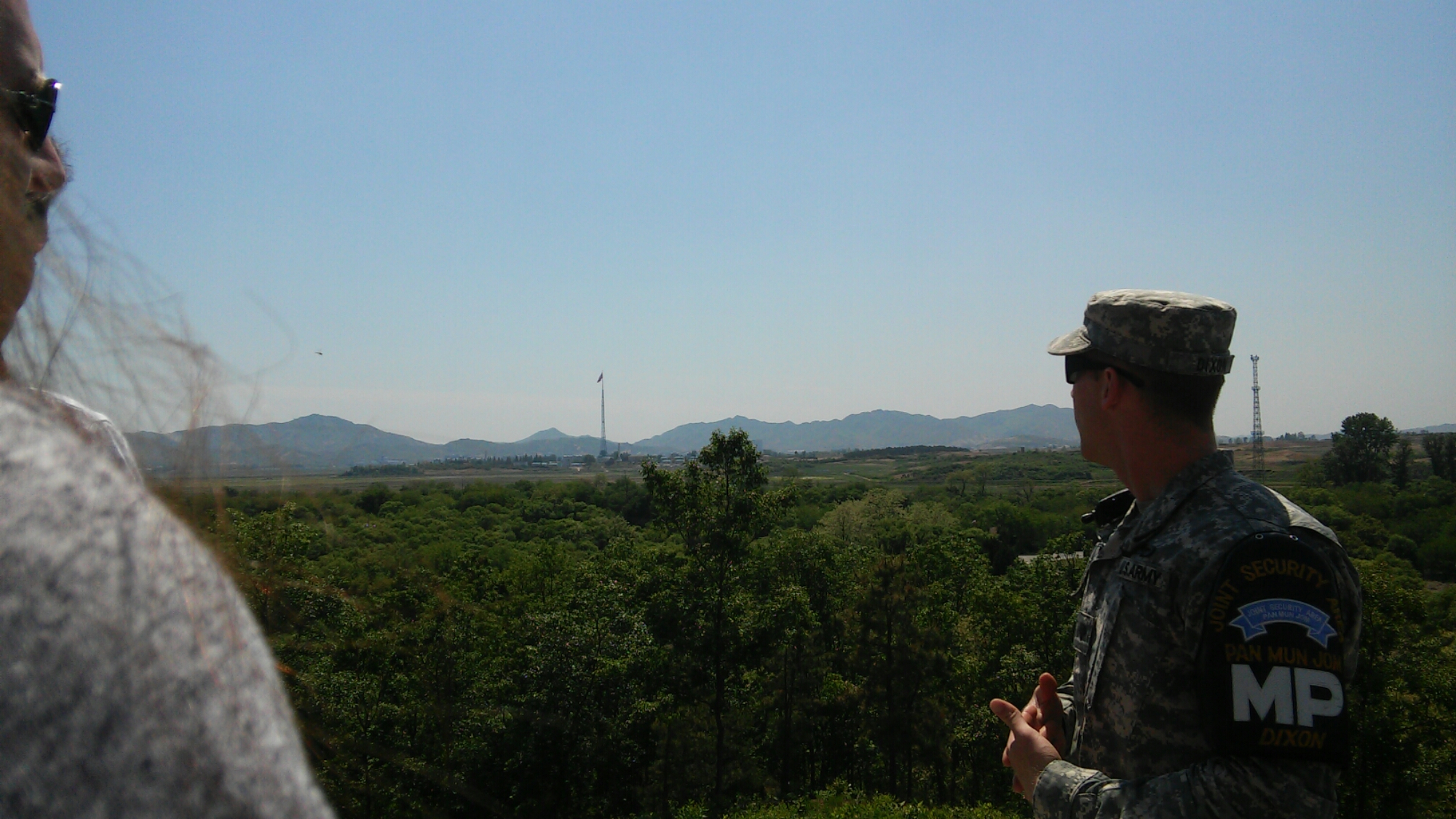
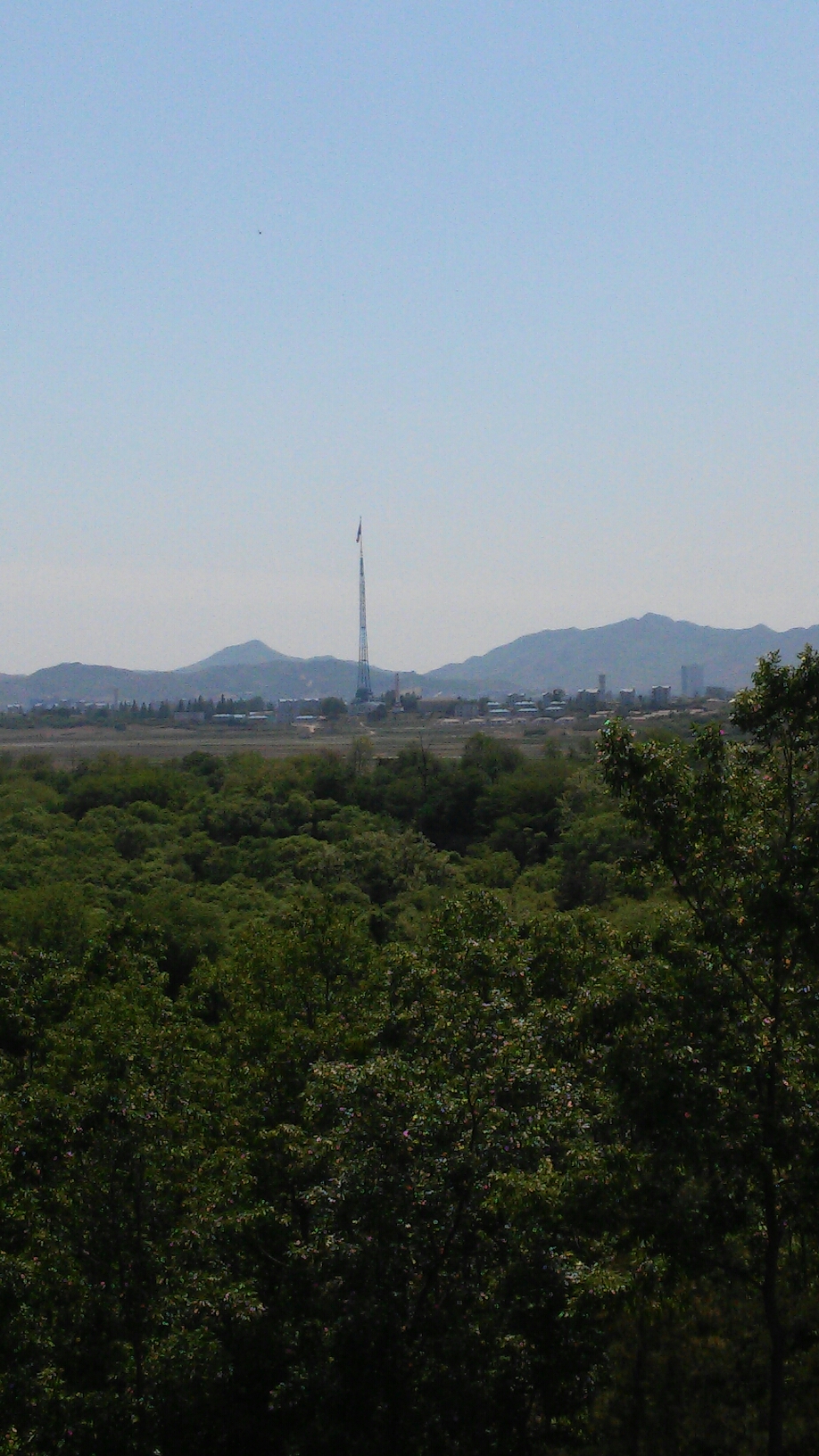
Here, we were surrounded on three sides by North Korea. We had a great view of the North’s Propaganda Village, as well. It’s called this because after the South Koreans created a village on their side, the North Koreans matched it. But no one lives there. Many of the buildings have windows that are painted on, or no floors. Much like a warehouse. They also have an intentionally massive flag pole and flag because anything the South does, the North must do bigger and better.
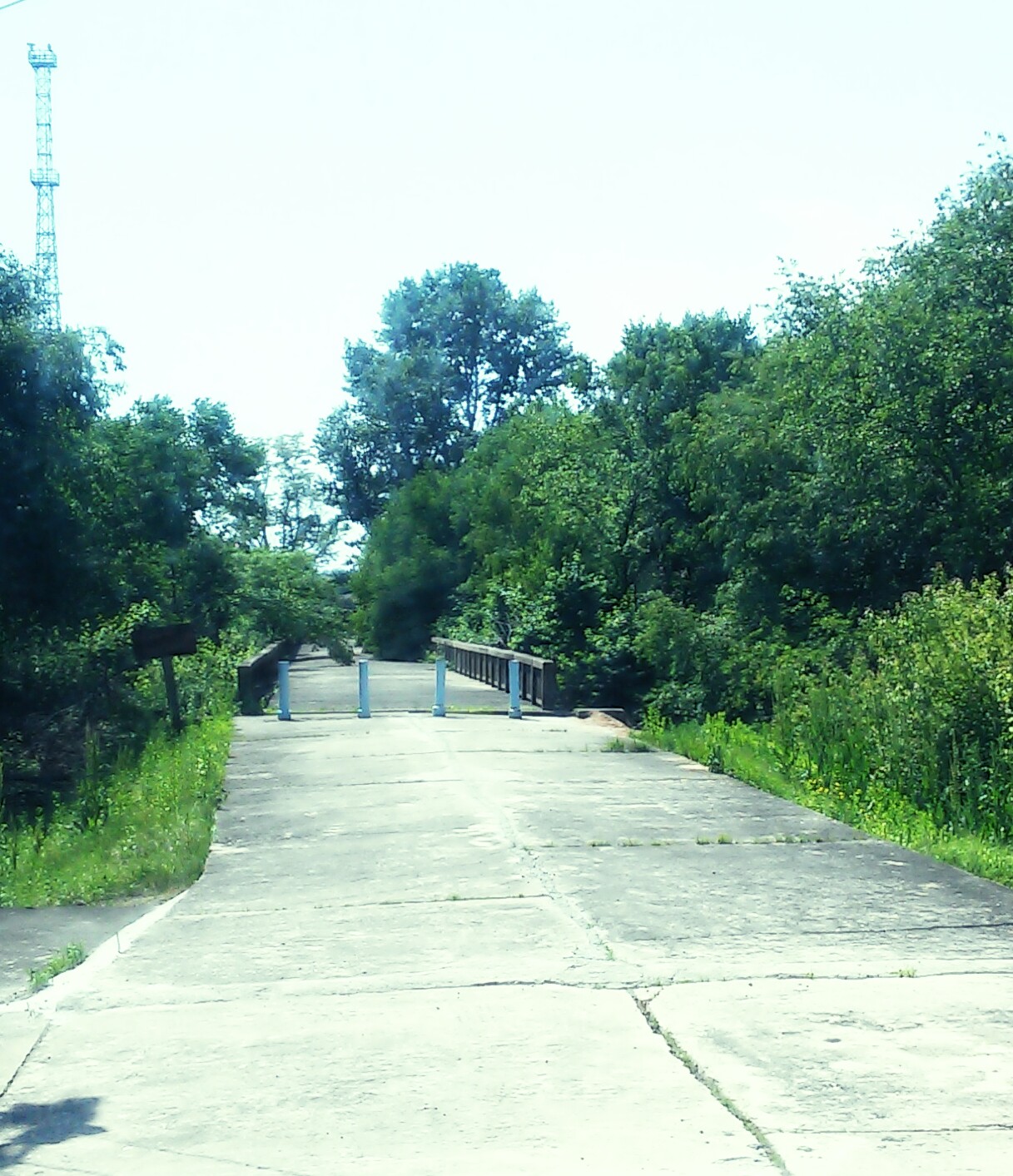
On our way out we drove in front of the Bridge of No Return, where prisoners of the Korean War were exchanged and made to choose what country they would live in with no chance of returning to the other side.
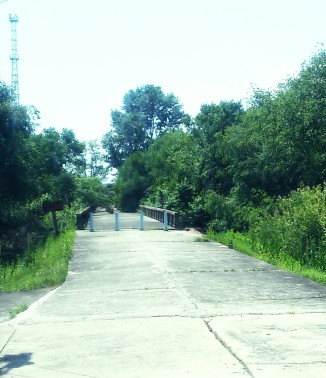
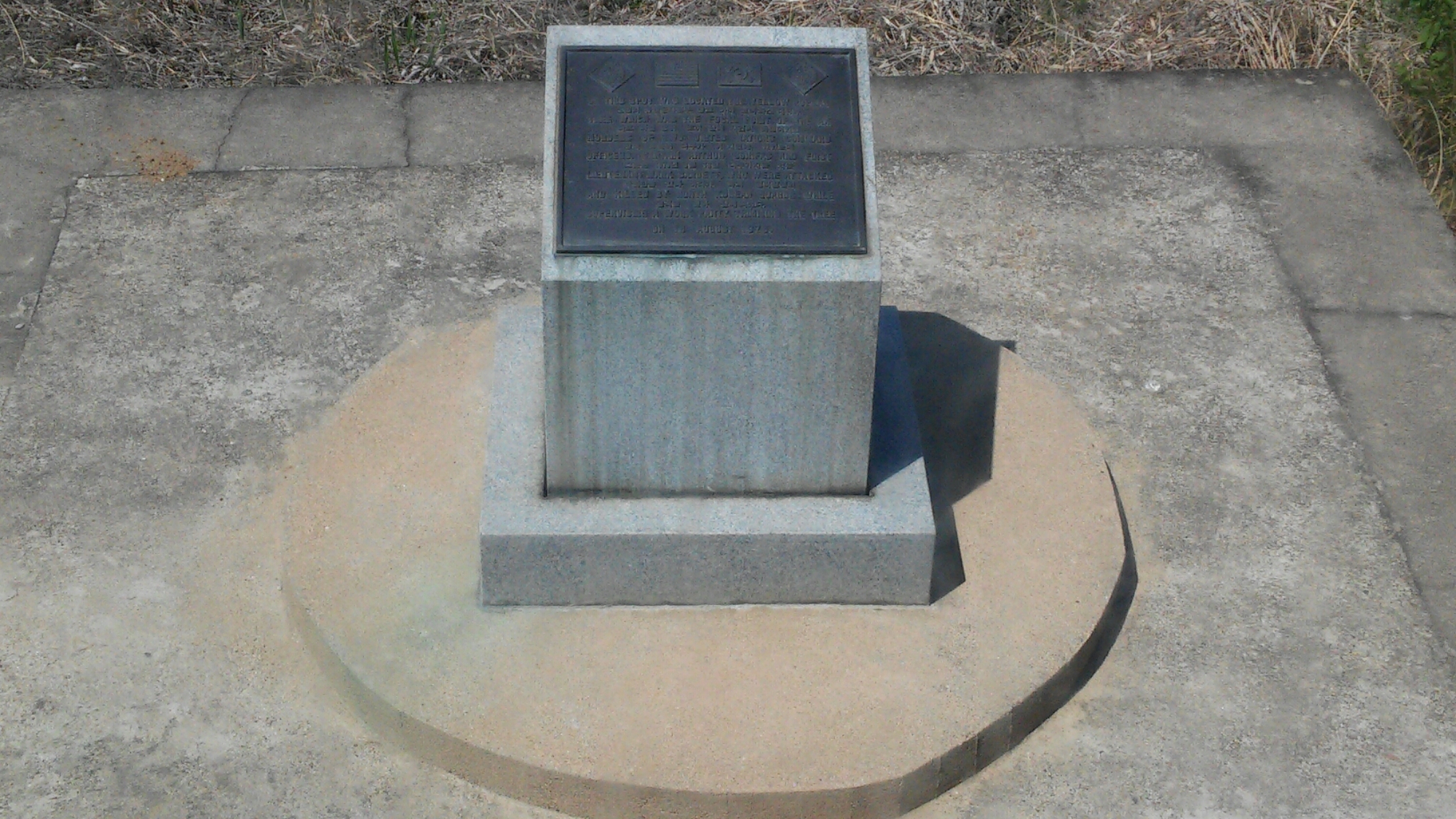
We also briefly stopped in front of the monument to the ax murder incident where Southerners and Americans were confronted and attacked by North Koreans when they attempted to cut down a tree that was in their field of vision from the guard tower. Incredible.
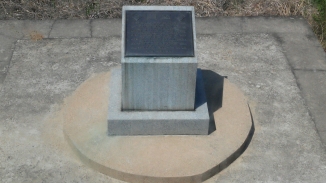
This was the last interaction we had with Northern soil. It was incredibly informative, interesting and, as was said several times, surreal. Something random and amazing about the DMZ, however, is that because it’s been completely uninhabited and undisturbed for decades, it’s an incredible natural wildlife sanctuary with several endangered species living within it. There’s always a silver lining.
So that was the DMZ and JSA. It was a great tour and I’d highly recommend going with the USO through Kooridor. There’s no stop off for shopping or anything that is not specifically purposed for a DMZ experience and I was grateful for that. It’s 100% worth the money. As weird and touristy as the experience was, I’m not naiive enough to think that if the DMZ did not exist, if the American and ROK military weren’t there to stand guard for our safety on the tour, as well as the safety of South Korea in general, I would still be here in Korea today teaching. So, I’d like to sincerely thank all of the people in this country who keep us safe, no matter what flag you pledge your allegiance to. Coming to Korea has given me a profound understanding of and appreciation for the US military, and has instilled in me serious pride in my country, our troops, and all that they do for us home and away. A healthy side-effect of more than 23,000 people in the US military in Korea. I’m so grateful I wasn’t born in North Korea.
Until next time.
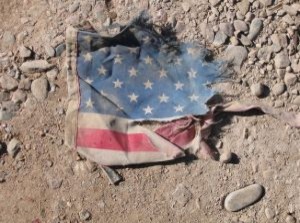 Living in Korea taught me a lot of unexpected lessons, not the least of these are tied to the US military. I learned a lot about the men and women serving our country during that year, and dating an Air Force Staff Sergeant has taught me even more than I could have learned on my own. You see, before I left for Korea I would have considered myself a left-leaning moderate. Like most Americans, though I considered some force justified in specific situations, I couldn’t wrap my head around the whole killing other people thing.







 Juice The Squeeze